“You could have eaten yesterday's dinner.”
“I know.”
“It was a perfectly good dinner.”
“It still is. I just wanted something else.”
At this point a harmless lunch discussion can turn into a small parliamentary inquiry. One person is defending thrift. Another is defending appetite. Somebody eventually becomes the minister for food waste, although no election was held.
I like leftovers. I also think they become less appealing when somebody uses them as evidence of another person's character. A practical question about what to do with a meal does not improve when the participants start prosecuting each other.
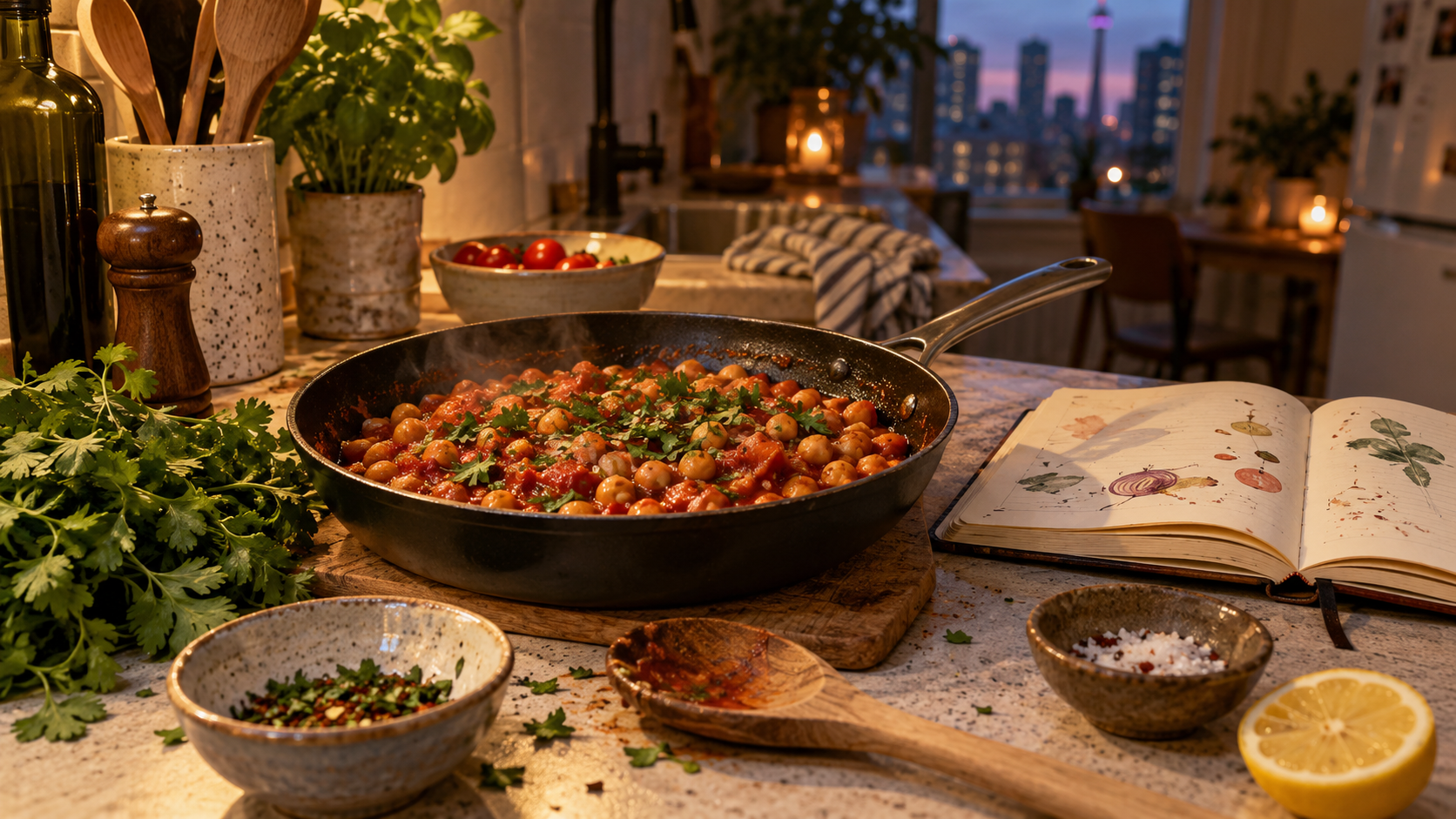
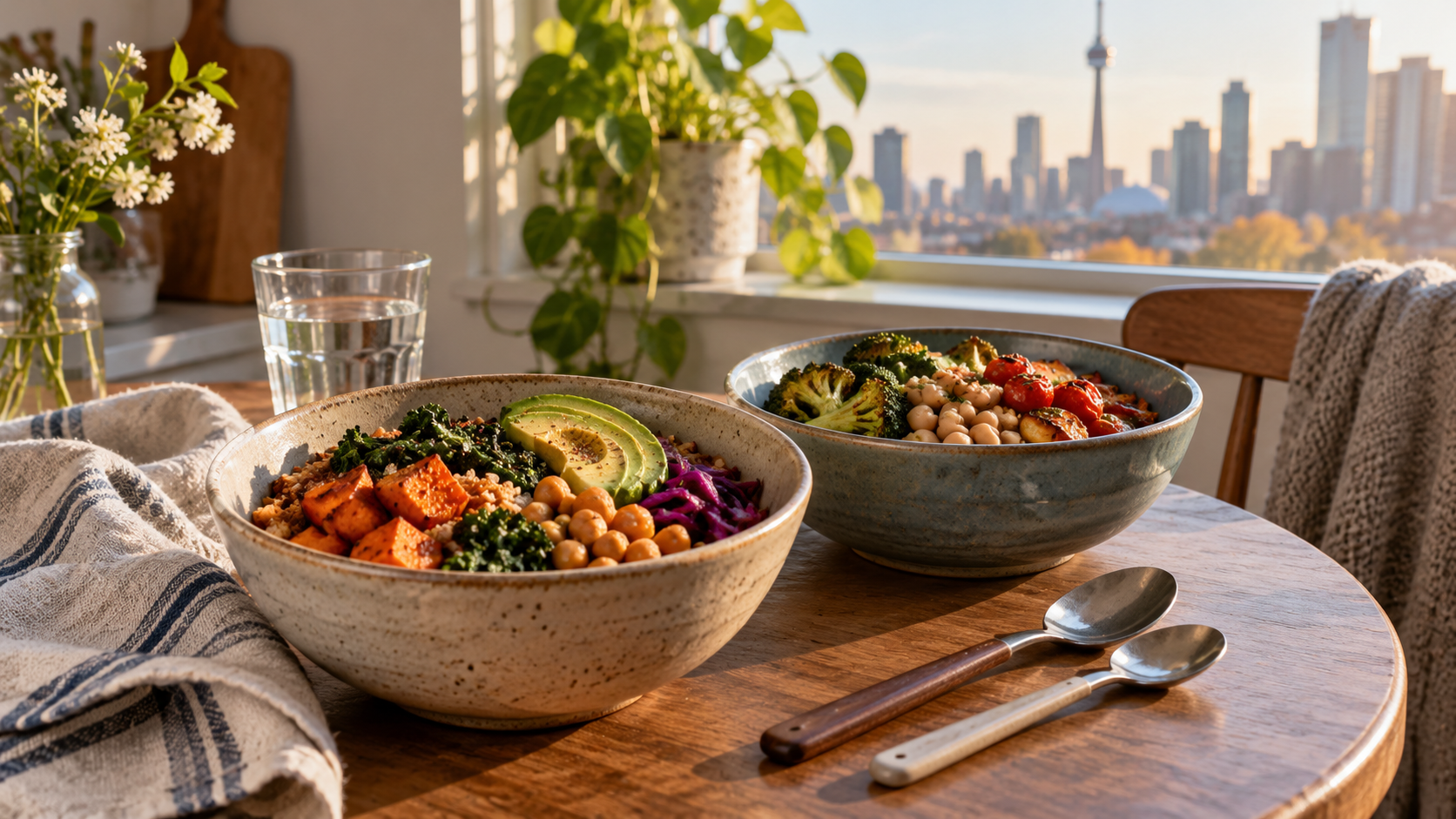
After a busy library shift, the easy lunch might be yesterday's beans arranged in a different bowl. On another day I might want a different flavor or texture. That does not mean the first meal was a failure. It means eating the same thing again and enjoying the same thing again are separate decisions.
Online arguments about food work and food content tend to reward a strong verdict. The kitchen rewards an arrangement people can actually use. If nobody wants an enormous second portion tomorrow, perhaps the useful adjustment is to the amount we make next time rather than the moral quality of the household.
I am trying to ask three ordinary questions: what do we have, what do we want, and what can we reasonably prepare? It is amazing how often the conversation settles down when nobody has to defend their entire personality first.
We can make a plan without being smug. We can learn from an overlarge batch without turning it into a lecture. Sometimes lunch needs a new topping. Sometimes it needs a different lunch. Neither outcome requires a closing argument.
A thought worth keeping?